Why Playing is the Go-To Font for Joyful, Handmade Branding
Imagine holding a handwritten note from a friend—the kind where the letters dance slightly on the page, full of personality and warmth. That’s the feeling the Playing font brings to your designs. It’s more than just a typeface; it’s a creative asset that instantly adds a human, approachable vibe to any project. Whether you’re crafting a logo for a new bakery, designing social media posts for a lifestyle brand, or putting together invitations for a special event, this handwritten font offers a refreshing alternative to sterile, generic typography.
The Visual Charm of a Thoughtful Script
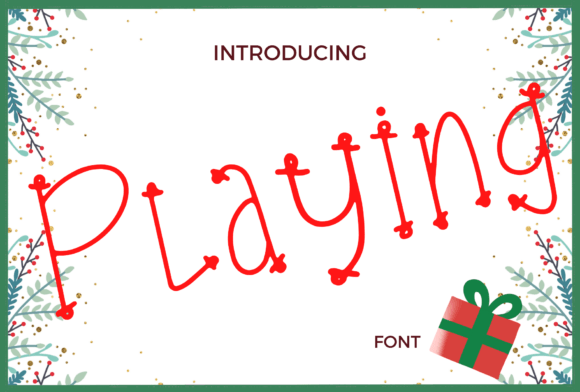
What makes Playing stand out in a crowded market of script fonts? Its beauty lies in its balanced imperfections. The letters flow with a natural, relaxed rhythm, avoiding the overly polished look of some premium fonts. This gives it authenticity. The slightly rounded edges and gentle curves create a friendly, romantic aesthetic that feels both modern and timeless. It’s a creative font that doesn’t shout for attention but instead draws people in with its quiet confidence and joyful spirit. For designers, this means it can serve as a primary headline font or a charming accent without overwhelming a layout.
Practical Applications Across Your Creative Toolkit
The versatility of a handwritten font like Playing is one of its greatest strengths. Let’s explore how it can be integrated into real-world projects to enhance visual storytelling and audience connection.
Brand Identity & Logo Design: For businesses that want to project warmth, creativity, and personal touch—think boutique shops, cafes, wedding planners, or artisanal product makers—Playing can become the cornerstone of a brand identity. Using it for a logo or primary wordmark sets an immediate tone of approachability. Paired with a clean sans serif font for body text, it creates a perfect balance between personality and readability.
Packaging & Merchandise: Product packaging is your silent salesperson. A font like Playing on a label, tag, or box can make a product feel handmade, curated, and special. It’s equally effective on merchandise like tote bags, mugs, or stationery, where the design itself is part of the product’s appeal. This application is a smart move for small business owners looking to elevate their packaging design without a massive budget.
Digital Presence & Marketing: In the fast-paced world of social media and content marketing, grabbing attention is key. Playing shines in social media graphics, Instagram quotes, Pinterest pins, and email headers. It adds a personal, authentic voice to your digital communications. For bloggers and content creators, it can be used in featured images or pull quotes to break up text and guide the reader’s eye, improving overall audience engagement.
Print & Editorial Design: Don’t limit this display font to digital realms. It’s a fantastic choice for print materials such as event posters, flyers, menu cards, and magazine features. In editorial layouts, a subheading set in Playing can introduce a section with flair, especially in lifestyle, travel, or food publications. It works beautifully for invitations—weddings, baby showers, or birthday parties—where the goal is to convey joy and celebration from the first glance.
Making it Work: Tips for Effective Implementation
Choosing a beautiful font is just the first step. Using it effectively is what separates good design from great design. Here’s how to get the most out of Playing in your projects.
Font Pairing is Crucial: A script font, no matter how lovely, can become difficult to read in large blocks of text. The professional approach is to pair it with a simpler, highly legible typeface. For a modern look, combine it with a geometric sans serif font. For a more classic, elegant feel, try a light serif font. Test your pairings at various sizes to ensure harmony and readability.
Consider the Context and Scale: Always view your design at the size it will be seen. Playing is perfect for headlines, titles, logos, and short phrases. It’s not designed for long paragraphs of body copy. For web design, use it for H1 or H2 tags, banner text, or call-to-action buttons, but rely on your chosen companion font for articles and product descriptions.
Review the Included Styles: A quality font family often includes more than just the regular weight. Check if Playing comes with alternate characters, ligatures, or stylistic sets. These extras allow for more customized and unique typographic treatments, giving your design assets a more bespoke feel.
Understand Commercial Licensing: If you’re using the font for client work, merchandise, or any project where you’ll be paid, you need a commercial font license. Always verify the license terms before purchasing or downloading. Using a font correctly ensures you avoid legal issues and supports the type designers who create these valuable tools.
Aligning Typography with Project Goals
Ultimately, the fonts you choose are a direct reflection of your brand’s voice and your project’s objective. Playing excels when the goal is to communicate warmth, creativity, and a personal connection. It’s a strategic choice for entrepreneurs and marketers who understand that visual consistency across all touchpoints builds brand recognition. By thoughtfully integrating this handwritten font into your toolkit, you’re not just decorating a design—you’re crafting an experience that feels genuine, engaging, and memorably human.