Gincu: The Charcoal Font with a Powerful Edge
There’s a particular kind of energy that comes from a chalky, hand-scrawled mark on a dark surface. It feels immediate, raw, and charged with intent. This is the precise feeling captured in the Gincu typeface. More than just a set of letters, it’s a design tool built for projects that demand attention and convey a sense of unfiltered power, whether that’s for a gritty horror film poster, an empowering makeup brand, or a motivational quote that pops off the screen.
Understanding the Visual Language of Gincu
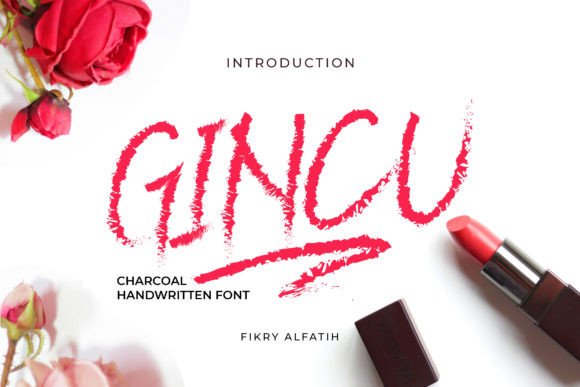
At its core, Gincu is a premium font characterized by its energetic, charcoal-like texture. The letterforms have a slightly uneven, hand-drawn quality that mimics the look of a pastel or piece of chalk being dragged across a rough surface. This isn't a clean, corporate sans serif font or a traditional script font. Its personality is bold, tactile, and intentionally imperfect, which is exactly what gives it so much character.
The font comes in two key styles. The primary style is the full charcoal display font, perfect for headlines and logos where impact is everything. The real surprise, however, is the bonus swashes. These are two additional character sets that add dramatic, sweeping tails to your capital letters. Imagine the letter ‘G’ in your brand name with a bold, chalky stroke extending from its base, or a ‘T’ in a movie title with an artistic flourish. This feature allows for a level of customization that can make a simple word feel like a custom logotype, which is invaluable for brand identity work.
Matching This Font to the Right Project
The true test of any creative font is how it functions in the real world. Gincu’s versatility lies in its ability to adapt to different moods. For a horror-themed project, the gritty texture and stark contrast against a dark background can create an unsettling, visceral feel. Think of a movie poster or a Halloween event flyer where the type itself looks like it was scrawled in haste.
Flip the context entirely, and the same font becomes a tool for empowerment. Used in social media graphics for a beauty influencer or a motivational speaker, the chalky texture feels authentic and handmade. A quote about self-confidence or a product announcement for a new lipstick shade gains a personal, artistic touch that a standard modern typography choice might lack. It’s also perfectly suited for school-related themes, evoking the classic chalkboard aesthetic for educational materials, tutoring services, or back-to-school promotions.
For entrepreneurs and small business owners, this presents a unique opportunity. If your brand has a bold, creative, or slightly edgy personality, Gincu could be the cornerstone of your visual consistency. Using it consistently across your logo design, website headers, and packaging design creates an instant, recognizable signature. It tells your audience that your brand is confident, artistic, and unafraid to stand out.
Practical Tips for Implementation and Pairing
Choosing a font is just the first step. Using it effectively is what separates good design from great design. Here’s how to get the most out of a display font like Gincu.
- Prioritize Readability: While Gincu is fantastic for headlines, its textured nature means it’s not ideal for long paragraphs of body text. For a website or blog, pair it with a highly readable serif font or sans serif font for your paragraphs. The contrast will make your headlines pop while keeping your content accessible.
- Test Your Pairings: Don’t just assume two fonts will work together. Create a simple mock-up. Place your Gincu headline next to a potential body font like a clean sans serif (e.g., Montserrat, Lato) or a classic serif (e.g., Lora, Merriweather). The goal is harmony, not competition. The font pairing should feel balanced.
- Explore the Bonus Swashes: Don’t overlook the included swashes. They are a powerful design asset. Use them sparingly for maximum effect—a single swashed initial in a blog post title, or a stylized monogram on a piece of merchandise. This is what elevates a project from using a font to leveraging a full design system.
- Consider the Medium: Think about where the final design will live. On a physical poster or piece of merchandise, the chalky texture will look tactile and authentic. On a digital screen, ensure the background color provides enough contrast for the texture to read clearly, especially at smaller sizes.
From Personal Projects to Professional Assets
The line between a hobbyist project and a commercial venture is often blurred. You might start by designing a quote graphic for your personal Instagram, only to have followers ask for prints. This is where understanding your commercial font license becomes critical. Most premium fonts, including Gincu, come with licensing that covers a wide range of uses, from personal crafts to marketing assets for a client, and even physical products for sale.
Always review the license details before starting a project. Knowing that your design assets are cleared for commercial use provides peace of mind and professional credibility. It allows you to confidently use Gincu for client work, editorial design in a magazine, or digital products like downloadable art prints without legal worry.
Ultimately, a font is a voice. Gincu speaks with a voice that is bold, artistic, and unmistakably present. It’s for the designer who wants to inject raw energy into a layout, the business owner building a brand with personality, and the content creator aiming to make every post stand out. By understanding its strengths and applying it thoughtfully, you can harness its power to create work that truly resonates.