Modern Thinking: A Bold Retro Font for Contemporary Creators
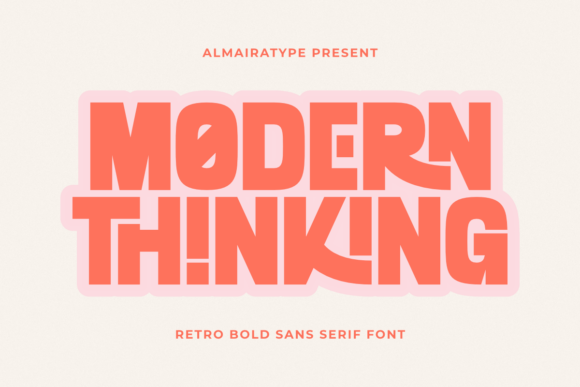
There’s a particular energy that comes from typography that knows exactly what it wants to be. Not every typeface needs to whisper sophistication or scream minimalism—some fonts walk into the room with a confident stride, unapologetically bold, carrying decades of visual history in every curve and corner. Modern Thinking is that kind of font. It’s a chunky, geometric sans serif that pulls its aesthetic DNA from the graphic design traditions of the 1970s while speaking fluently to the visual language of contemporary streetwear, indie branding, and creator-led commerce. If you’ve ever found yourself scrolling through vintage concert posters, retro packaging, or old-school signage and thought, why doesn’t my work feel this alive?—this typeface might be the missing piece.
Where Vintage Character Meets Modern Versatility
Modern Thinking isn’t trying to be everything to everyone, and that’s precisely what makes it so effective. Its design philosophy centers on a specific visual territory: bold, playful, and structurally confident. The chunky letterforms give each word a tangible sense of weight and presence, while the geometric balance keeps everything feeling intentional rather than chaotic. What really sets it apart, though, are the custom alternate characters—those unexpected flourishes and stylistic swaps that let you inject personality into headlines, logos, and merchandise without resorting to generic clip art or overused effects.
Think about the brands and products that catch your eye on a crowded shelf or in a fast-scrolling social feed. They tend to share a common trait: their typography feels deliberate. It doesn’t just communicate a word—it communicates a mood, a price point, an audience. Modern Thinking occupies that sweet spot where retro nostalgia and modern edge overlap. It recalls the warmth of 70s-era graphic design—the kind you’d see on old record sleeves, airline menus, and amusement park signage—while maintaining the clean outlines and structural clarity that contemporary digital and print design demands.
Practical Applications That Actually Make Sense
Let’s get specific about where a font like this earns its place in your toolkit. If you’re building a brand identity for a coffee roaster, a streetwear label, a craft brewery, or a boutique skincare line, Modern Thinking gives your wordmark an immediate sense of character. It says, We’re not boring. We have taste. We paid attention to the details. That kind of visual shorthand is invaluable when you’re competing for attention in saturated markets.
For packaging design, the font’s bold weight ensures product names and key messaging remain legible at a glance—whether someone’s holding a box in their hands or squinting at a thumbnail on an e-commerce listing. Its clean outlines also make it a reliable companion for packaging that involves specialty printing techniques like embossing, foil stamping, or screen printing, where overly intricate letterforms can cause production headaches.
Social media is another arena where Modern Thinking shines. Instagram carousels, TikTok thumbnails, Pinterest pins, and Facebook ad creatives all benefit from typography that stops the scroll. The font’s retro-meets-modern aesthetic taps into the ongoing cultural appetite for vintage-inspired visuals—a trend that shows no signs of fading. Pair it with a muted color palette and textured backgrounds for an artisanal feel, or throw it against neon gradients and high-contrast photography for something more electric.
And then there’s the world of merchandise and Print on Demand. This is where Modern Thinking arguably delivers its highest return on investment. T-shirts, hoodies, tote bags, mugs, stickers—these products live and die by the strength of their graphic design. A well-chosen typeface can carry an entire product line without relying on complex illustrations. Modern Thinking’s chunky, eye-catching letterforms translate beautifully onto fabric and hard goods, and its compatibility with cutting machines like Cricut and Silhouette means the weeding process for vinyl decals and heat transfers stays clean and frustration-free.
Making Typography Work Harder for Your Brand
Choosing the right font for a project isn’t just about aesthetics—it’s about strategy. The typography you select sends signals to your audience before they’ve even read a single word. A playful sans serif like Modern Thinking communicates approachability and creative confidence. It tells viewers that the brand behind it values personality without sacrificing professionalism.
One of the most common mistakes in design is treating font selection as an afterthought. You spend hours perfecting your color palette, agonizing over photo selections, and fine-tuning your copy—then slap on whatever default typeface comes preloaded in your software. The result is work that feels generic, disconnected, forgettable. Investing in a premium font designed with real creative applications in mind changes that equation entirely.
When you’re evaluating a typeface for a branding project, consider how it performs across different contexts. Does it hold up as a headline on a billboard-sized poster and as small text on a business card? Does it maintain its personality when set in all caps versus mixed case? Modern Thinking performs admirably in large-scale display settings—posters, banners, signage, apparel graphics—where its bold geometry can breathe. For body copy or smaller applications, you’ll want to pair it with something more restrained, which brings us to an essential practice: font pairing.
Finding the Right Typographic Combinations
No typeface exists in isolation. Even the most distinctive display font needs supporting players to create a complete visual system. Modern Thinking pairs exceptionally well with clean, understated sans serifs for body text—think fonts with generous x-heights and neutral personalities that won’t compete for attention. A simple geometric sans or even a classic humanist sans serif can provide the readability and calm that balances Modern Thinking’s exuberance.
For projects that lean into the vintage angle, consider pairing it with a complementary script or handwritten font for accent text. A flowing brush script used sparingly—on a tagline, a call-to-action, a decorative element—can amplify the retro warmth without tipping into visual clutter. The key is contrast with cohesion: your font pairings should feel different enough to create hierarchy but similar enough in spirit to feel like they belong together.
Always test your combinations in context. Set real headlines, real paragraphs, real button labels. View them at the actual sizes they’ll appear in your final deliverable. What looks balanced in a 200-point preview on your monitor might feel overwhelming on a mobile screen or illegible on a printed label. This kind of practical testing separates polished, professional design from work that only looks good in a mockup.
From Digital Screens to Physical Products
The versatility of a typeface like Modern Thinking becomes most apparent when you trace a single design concept across multiple formats. Imagine you’re launching a new product line: the brand name set in Modern Thinking appears on your website hero banner, your Instagram profile graphic, the hang tag on your merchandise, the thank-you card inside your shipping box, and the sticker you toss in as a bonus. That kind of visual consistency builds brand recognition faster than almost any other tactic. Customers start to associate that specific typographic voice with your business—it becomes a signature.
For independent creators and small business owners, this kind of cohesive visual identity isn’t a luxury—it’s a competitive necessity. You might not have the budget for a full-scale branding agency, but a thoughtfully chosen typeface, applied consistently across your touchpoints, can achieve a remarkably similar effect. It signals intentionality, professionalism, and care—qualities that customers notice and reward with their trust and their wallets.
Whether you’re a graphic designer building out client brand kits, an apparel entrepreneur developing your next collection, a content creator looking for fresh visual tools, or a crafter who simply loves making beautiful things, having a font like Modern Thinking in your library means you’re always one project away from something that genuinely stands out. It’s the kind of design asset that earns its keep not through hype, but through repeated, reliable, real-world use.