Modern Distress: The Gritty Typeface for Authentic Branding
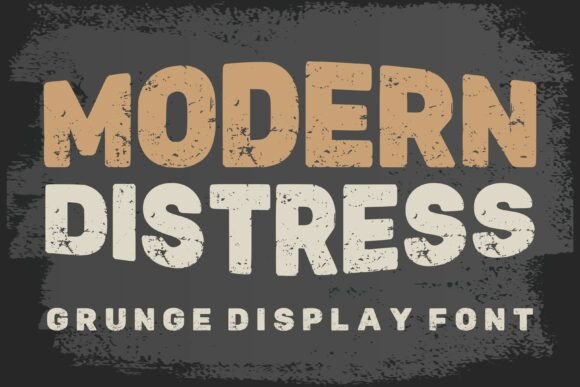
You know the feeling when you see a design that just feels real? It’s not slick or sterile—it has texture, character, and a story. That’s the power of a typeface like Modern Distress. It’s not just a collection of letters; it’s a statement. This bold, grunge display font is built for projects that need to stand out with an authentic, weathered edge. If your work leans into streetwear, music, retro aesthetics, or any brand that wants to convey strength and history, this is the kind of tool that can define your visual voice.
More Than Just a Distressed Look
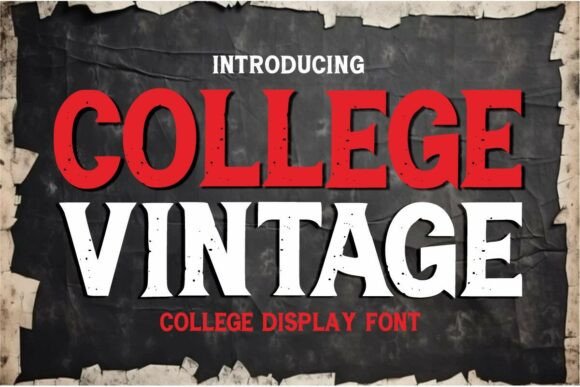
At first glance, you see the rough, textured edges and the vintage, worn appearance. That’s the immediate appeal. But what makes Modern Distress a practical asset for designers and creators is its versatility within that niche. It’s a display font at heart, meaning it’s engineered for impact in headlines, logos, and titles. The bold letterforms ensure readability at a glance, which is critical for everything from a poster across the room to a thumbnail on a crowded social feed.
The distressed texture isn’t random; it’s crafted to evoke a specific feeling of authenticity. This makes it particularly effective for brands that want to communicate craftsmanship, durability, or a rebellious spirit. Think of a local coffee roaster wanting to highlight their artisanal process, a boutique brewery with a vintage vibe, or a music festival poster that needs to feel energetic and raw. Modern Distress delivers that vibe without requiring additional graphic effects—it’s baked right into the character shapes.
Where This Font Truly Shines: Practical Applications
Let’s move beyond theory. Where exactly does a premium font like this earn its place in your design toolkit? The applications are surprisingly broad once you start thinking about projects that benefit from a bold, textured personality.
- Brand Identity & Logo Design: For startups or brands in the lifestyle, apparel, or entertainment space, a logo set in Modern Distress can immediately establish a distinct identity. It works beautifully for brand marks, wordmarks, and monograms that need to look established and confident. Pair it with a clean sans serif font for body text to create a balanced, professional hierarchy.
- Apparel & Merchandise: This is a natural fit. The font’s gritty aesthetic is perfect for T-shirt designs, streetwear branding, and merchandise where the typography itself is a key graphic element. It translates exceptionally well to screen printing and embroidery, where texture adds depth.
- Packaging & Labels: Imagine a hot sauce label, a craft beer bottle, or a handmade candle box. Modern Distress can give packaging an artisanal, small-batch feel that stands out on a shelf. It suggests care and character, which can influence a customer’s perception of quality.
- Print & Editorial: Use it for magazine covers, event posters, or music album artwork. Its high-contrast style ensures it pops even in busy layouts. For editorial design, it can be a powerful choice for chapter titles or pull quotes in publications focused on culture, music, or urban lifestyle.
- Digital Presence: Don’t limit it to print. A bold headline on a website landing page can grab attention instantly. It’s also incredibly effective for social media graphics, especially for YouTube thumbnails, Instagram story headers, or Facebook ads where you have a split second to make an impression.
Making It Work: Pairing and Readability
A font this strong needs to be used with intention. The most common mistake is overusing it. Modern Distress is a headline act, not a background player. For body copy, always choose a highly readable serif font or sans serif font. A classic like Helvetica, Open Sans, or a transitional serif like Georgia provides a clean, neutral foundation that lets your distressed headlines do the talking without causing visual fatigue.
Think about contrast, not just in weight but in style. Pairing Modern Distress with a simple, geometric sans serif creates a modern yet rugged tension. Combining it with a elegant script font can yield a interesting mix of hard and soft, though this requires careful balancing. The goal is to ensure your overall design feels cohesive, not chaotic. Test your pairings at the size they’ll be viewed—what looks good on your screen might become illegible on a mobile phone or from ten feet away on a poster.
Considering the Practicalities: Licensing and Files
Before you dive into a project, especially a commercial one, it’s essential to understand what you’re getting. A quality commercial font like this typically comes with a clear license. Check whether the license covers your intended use—is it for a single client, multiple projects, or for merchandise you plan to sell? Understanding this upfront saves legal headaches later.
Also, review the included font styles. Does the package offer multiple weights or just the one bold style? Are there alternate characters or stylistic sets that can add variety? Knowing the full capabilities of the typeface allows you to use it more creatively and avoid needing to supplement it with other fonts for the same project. This attention to detail is what separates a quick design from a considered, professional piece of work.
Ultimately, a font is a design asset. Modern Distress is a specific tool for a specific job. It won’t be the right choice for a law firm’s annual report, but for a streetwear brand, a podcast intro graphic, or a vintage-inspired wedding invitation, it might be exactly the missing piece. It helps build a brand identity that feels tangible and real, turning ordinary text into a visual experience that resonates with your audience. When your typography aligns perfectly with your project’s goals, the result isn’t just seen—it’s felt.