Funky Groovy: The 70s-Inspired Font for Bold Branding
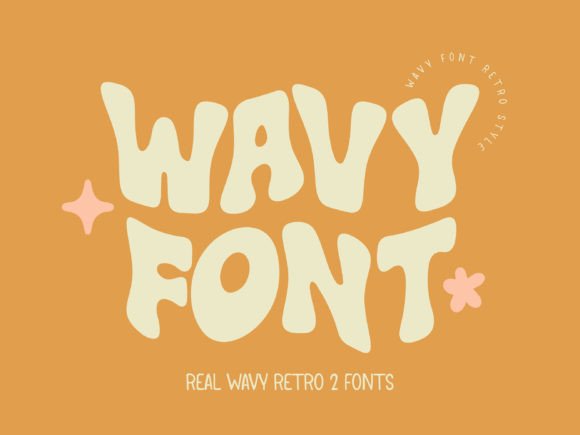
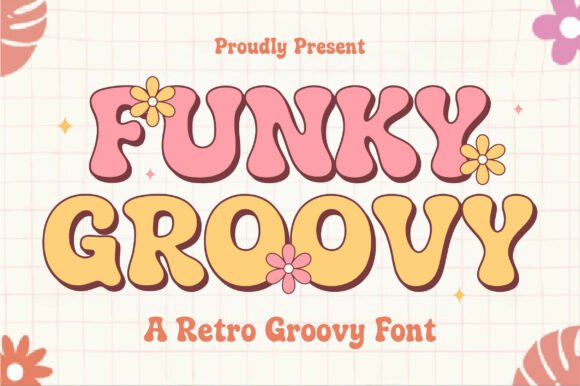
If you've ever found yourself scrolling through endless font libraries, searching for that perfect typeface that balances nostalgia with modern punch, you know the struggle. You need something that grabs attention without feeling childish, something retro that doesn't look dated. Enter Funky Groovy, a bold retro display font that feels like a direct line to the carefree, colorful energy of the 1970s, yet works seamlessly in today's design landscape. It’s not just a collection of letters; it’s a mood. With its bubbly curves and chunky letterforms, this font is built to make a statement, whether you're designing a poster for a local festival or crafting the entire visual identity for a new startup.
More Than Nostalgia: The Visual Power of Bubbly Letterforms
What makes a font like Funky Groovy so effective? It starts with its inherent personality. The chunky, rounded shapes are inherently friendly and approachable. They soften any message, making even straightforward information feel more inviting. This isn't the sharp, sterile typography of a corporate memo. This is the typeface of a neighborhood bake sale, a vintage record shop, or a children's educational brand. Its groovy 70s-inspired style isn't just about looking old; it's about tapping into a design era that prioritized fun, individuality, and bold expression. For a small business owner or a content creator, this means you can inject instant character into your materials. A logo set in Funky Groovy, for example, immediately tells a story of creativity and approachability before a customer even reads the business name.
Where This Display Font Truly Shines: Practical Applications
The true test of any creative font is its versatility. A typeface that only works in one context has limited value. Funky Groovy, however, excels as a display font, meaning it’s designed for larger sizes where its detailed personality can be appreciated. Think headlines, logos, and impactful titles, not necessarily long paragraphs of body text. Here’s where it becomes a powerful design asset:
- Branding & Logo Design: For brands in the wellness, lifestyle, food, or creative services space, this font can become the cornerstone of a memorable identity. It pairs exceptionally well with a clean, simple sans serif font for body copy, creating a dynamic contrast that is both engaging and readable.
- Packaging & Merchandise: Imagine a hot sauce label, a coffee bag, or a line of kids' stickers. Funky Groovy can make packaging pop on a crowded shelf. Its playful vibe is perfect for products that want to feel handmade, joyful, or slightly rebellious.
- Social Media Graphics & Digital Content: In the fast-scroll of Instagram or TikTok, you have milliseconds to catch an eye. A bold, funky typeface used for video titles, quote graphics, or promotional announcements can stop the scroll and boost engagement. It helps build visual consistency across your posts, making your feed instantly recognizable.
- Print & Events: Posters, flyers, invitations, and event tickets are its natural habitat. For a music festival, a retro-themed party, or a children's workshop, the font sets the tone instantly and unforgettably.
Pairing and Practicality: Using Funky Groovy Effectively
Having a bold font is one thing; using it well is another. The key to integrating a display typeface like this into your project is balance. Its strength is in its uniqueness, which means it shouldn't be overused. A common and effective strategy is to pair it with a neutral, highly readable typeface. A classic sans serif font like Open Sans or Lato for body text allows Funky Groovy to be the star of the show without causing visual chaos.
Readability is always a consideration. While Funky Groovy's bubbly shapes are clear, its retro flair means it's best used for short, impactful text—headlines, subheadings, logos, and calls to action. Avoid setting entire paragraphs in it. Always test your designs at the intended size. What looks great on your design screen might need slight adjustment for a small mobile view or a large printed banner. Another practical tip is to explore the font's full character set. Many premium fonts include stylistic alternates, ligatures, or multiple weights (like bold, regular, and light) that give you more creative control to fine-tune the look.
Making the Right Choice for Your Project Goals
Choosing a font is a strategic decision, not just an aesthetic one. Before selecting Funky Groovy, ask yourself: What is the core emotion of my brand or project? If the answer is playful, energetic, nostalgic, or friendly, then this typeface could be a perfect match. If your goal is to appear ultra-modern, minimalist, or highly formal, you might need to look at a different style, perhaps a geometric sans serif or an elegant serif font.
Also, consider your audience. Funky Groovy resonates strongly with demographics that appreciate vintage aesthetics, creativity, and a touch of whimsy. It’s a fantastic tool for entrepreneurs and creators who want to stand out from the sea of minimalist, corporate-looking designs. When you use a distinctive display font like this, you're not just choosing letters; you're choosing a conversation starter. You're giving your audience a visual cue about who you are before they read a single word of your copy.
Finally, a note on licensing. If you're using a font for a commercial project—anything from a client's logo to your own product packaging—it's crucial to ensure you have the correct commercial license. Reputable font designers and foundries provide clear licensing information. Investing in a proper license for a premium font protects you legally and supports the artists who create these essential design tools.
In a design world that often leans toward the safe and sterile, a font with genuine personality is a breath of fresh air. Funky Groovy offers a direct path to creating designs that are vibrant, memorable, and full of life. It’s a tool for telling a story, for building a brand that feels human and approachable, and for adding a much-needed dose of fun to visual communication. Whether you're a seasoned designer or a small business owner tackling your own branding, it proves that the right typography can do more than just present information—it can create an experience.