Metal Gothic: The Bold Blackletter for Modern Brands
There’s a particular kind of visual statement that demands attention—not through volume, but through sheer presence. It’s the difference between a whisper and a well-placed, deliberate word. In the world of design and branding, that statement is often made by typography. A font isn’t just a collection of letters; it’s a tone of voice, a first impression, and a silent ambassador for an idea. For those seeking a typeface that carries historical weight yet feels sharply contemporary, one style consistently rises to the occasion: the blackletter.
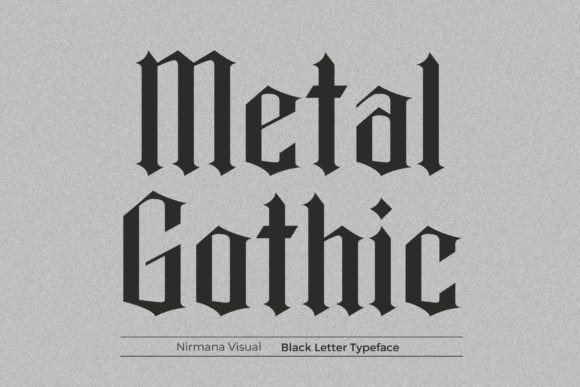
Metal Gothic is a prime example of this category, reimagined for today’s creative landscape. It’s a stylish and bold blackletter font, but what does that mean for your project? Forget the dusty, illegible scripts of old manuscripts. This typeface offers beautiful typographic harmony, a careful balance between intricate detail and clear form. Its sharp, angular strokes and confident presence make it far more than a novelty. It’s a design asset built for impact, suitable for a remarkable diversity of projects. From a stark logo on a black background to elegant social media posts, from rugged product packaging to refined advertisement layouts, Metal Gothic provides a foundation of bold character.
Where History Meets the Headline
The blackletter style, often associated with Gothic cathedrals and early printed books, carries an inherent sense of tradition, authority, and craftsmanship. Metal Gothic taps into that legacy but strips away the unnecessary complexity that can hinder modern use. Think of it as heritage typography with a contemporary edge. The letterforms are designed to be recognizable and powerful, even at smaller sizes or on fast-scrolling digital feeds. This makes it a surprisingly versatile display font for projects that need to stand out.
Consider its practical applications. For a brand identity, especially in niches like craft brewing, artisanal coffee, streetwear, or music, Metal Gothic can instantly communicate a brand’s core ethos: authenticity, strength, and a touch of rebellion. A logo set in this typeface tells customers you take your craft seriously. It’s not a generic sans serif font or a soft script font; it’s a deliberate choice that signals a specific aesthetic. In packaging design, it can make a product look premium and established, standing shoulder-to-shoulder on a crowded shelf. The key is its ability to anchor a design with a strong visual voice.
Practical Applications for a Bold Typeface
The true test of any creative font is how it performs in the wild. Metal Gothic’s strength lies in its adaptability across mediums, provided it’s used with intention.
- Digital Presence: On social media graphics, a single word or a short headline in Metal Gothic can stop the scroll. It’s perfect for announcements, event promotions, or quote graphics where you want the text itself to be the focal point. For a website, it can be used sparingly for hero section headlines or section titles, paired with a clean, readable serif font or sans serif font for body text to ensure readability.
- Marketing & Editorial: In advertisements, whether digital or print, this typeface commands attention. It’s ideal for poster design, music festival lineups, or magazine covers. For bloggers and content creators, using it for blog post titles or chapter headings in an e-book can add a layer of professional polish and thematic consistency.
- Physical Products & Merchandise: The character of Metal Gothic translates beautifully to physical goods. Think T-shirt designs, hat embroidery, sticker packs, or even etched onto glassware. Its bold lines reproduce well across various printing and production methods, making it a reliable choice for merchandise.
- Special Projects: Its elegance isn’t lost on more formal applications. For wedding invitations, gala programs, or luxury product labels, a lighter weight or more refined setting of the font can evoke a sense of timeless sophistication.
Pairing and Professional Presentation
Using a display font like Metal Gothic effectively is about balance, not bombardment. One of the most common questions is about font pairing. The rule of thumb is contrast. Pair its detailed, high-contrast forms with something simple and understated. A geometric sans serif font like Montserrat or a classic transitional serif font like Georgia can create a beautiful hierarchy, allowing Metal Gothic to headline while the supporting font ensures the message is clearly communicated.
Always test your pairings in context. Mock up your logo on a business card. See how the social media graphic looks on a phone screen. Check the readability of a poster headline from a distance. This practical testing phase is non-negotiable for achieving a professional presentation. It’s also worth reviewing the included font styles. Many premium fonts like this come with different weights (e.g., Regular, Bold) or stylistic alternates—perhaps different versions of the lowercase ‘a’ or ‘g’. These details give you more creative control to fine-tune the personality of your typography.
Finally, for any commercial project, always verify the licensing. A commercial font license ensures you have the legal right to use the typeface in your client work, on merchandise for sale, or in brand assets. This is a crucial step in protecting your business and respecting the work of the type designers who create these essential design assets.
Metal Gothic, at its heart, is a tool for visual communication. It’s a premium font that offers more than just letters; it offers a mood. It’s for the designer building a brand with a story, the entrepreneur crafting a product with soul, and the content creator aiming to leave a lasting impression. By understanding its character and applying it thoughtfully, you can leverage this bold blackletter to create work that is not only seen but remembered. It’s about choosing a typeface that doesn’t just sit on the page, but speaks for the project itself.