Eliganthe: Crafting Visual Narratives with Serif Sophistication
There is a specific moment in the design process where the typeface shifts from being mere text to becoming the voice of the project. You might be staring at a blank canvas for a luxury brand or drafting the layout for a high-end wedding invitation, and you realize that a standard sans-serif won't cut it. You need something that speaks of heritage, elegance, and a certain timeless quality that modern geometric fonts often lack. This is where the character of a serif display font comes into play, specifically one like Eliganthe. It doesn't just fill space; it commands attention, balancing the weight of classic typography with the clean lines required by contemporary visual communication.
For designers, entrepreneurs, and content creators, the hunt for the perfect typeface is often about finding a balance. You want a font that feels established and trustworthy, yet fresh enough to avoid looking dated. Eliganthe bridges this gap through its striking high-contrast strokes and graceful, sweeping curves. It is a premium font designed for those moments when typography needs to do more than just inform—it needs to persuade and enchant. Whether you are working on a digital product, a physical package, or a social media campaign, understanding how to harness the power of a typeface like this can fundamentally elevate your professional presentation.
The Anatomy of Luxury: Why High-Contrast Serifs Work
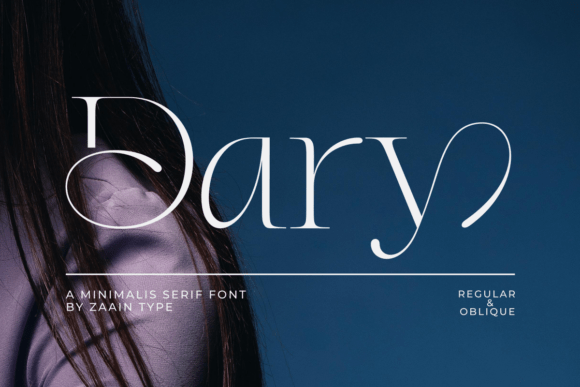
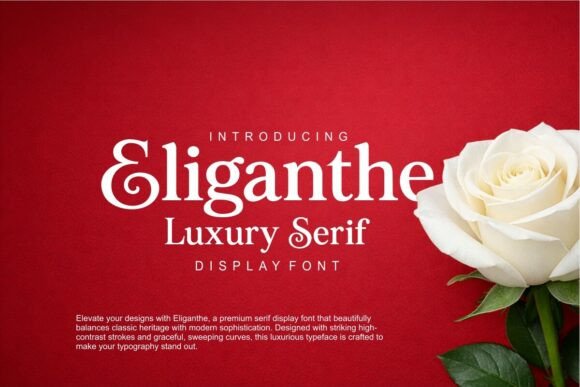
When we talk about visual appeal in typography, we are often discussing the subconscious signals a font sends to the viewer. Eliganthe utilizes a high-contrast structure, meaning there is a significant difference between the thickest and thinnest parts of the letterforms. This mimics the stroke of a calligrapher’s pen, lending a human, organic touch to the digital medium. The "sweeping, romantic curves" mentioned in its design aren't just aesthetic fluff; they create a sense of movement and fluidity that static, blocky fonts cannot achieve.
Consider the difference between a utilitarian font used for body copy and a display font like Eliganthe. The latter is crafted for impact. Its lowercase forms show delicate precision, while the capitals offer a boutique, high-end aesthetic. This distinction is crucial for brand identity. If you are building a fashion label or a beauty product line, the typography must reflect the quality of the goods you sell. A serif font with these characteristics suggests that the brand values tradition and craftsmanship, but presents it with a modern flair.
Strategic Applications: From Packaging to Digital Screens
The versatility of a high-quality serif typeface lies in its ability to adapt to different mediums without losing its soul. Eliganthe is particularly effective across a range of creative applications, serving as a cornerstone for visual consistency.
For packaging design, the font offers a bespoke feel. Imagine a skincare box or a gourmet food label where the product name is rendered in Eliganthe. The high contrast ensures legibility even on textured paper, while the elegant curves suggest a premium price point. It transforms a simple label into a piece of luxury branding.
In the realm of editorial design, such as magazine layouts or blog headers, this typeface excels at creating hierarchy. A strong, sweeping headline in Eliganthe draws the reader's eye immediately, setting the tone for the content that follows. It works beautifully for pull quotes or cover titles, providing that "magazine-ready" look that many content creators strive for.
- Wedding Stationery: The romantic nature of the curves makes it ideal for invitations and RSVP cards, evoking a sense of celebration and intimacy.
- Social Media Graphics: For lifestyle influencers and marketers, using a distinctive serif font helps break the monotony of feed-scrolling. It makes quote graphics and announcement posts feel more curated and intentional.
- Logo Design: Because it is a display font, it creates unforgettable wordmarks. It is perfect for boutique hospitality or high-end service providers who want a logo that feels established from day one.
Mastering Typography: Pairing and Readability
While a display font like Eliganthe is a powerful design asset, it requires a thoughtful approach to font pairing. Because of its intricate details and strong personality, it generally should not be used for long paragraphs of body copy. Its strength lies in headlines, sub-headers, and accent text. To maintain readability and visual harmony, you should pair it with a clean, legible sans-serif font or a simple serif for the body text.
For example, if you are designing a website, you might use Eliganthe for the main H1 and H2 tags to establish authority and elegance. Then, switch to a neutral sans-serif for the navigation menu and the main content paragraphs. This contrast creates a dynamic visual rhythm that keeps the user engaged without causing eye strain.
When testing your pairings, pay attention to weight and spacing. A heavy, bold sans-serif might clash with the delicate thin strokes of Eliganthe. Instead, look for a lighter weight or a font with open letterforms that can breathe alongside the serif. This practice of reviewing included font styles—such as italics or bold variations—is essential. If the typeface family includes a bold or italic version, use them to create hierarchy within your headlines, rather than just increasing the size of the regular weight.
Aligning Font with Brand Goals
Choosing a font is ultimately a business decision. The typeface you select for your marketing assets communicates your brand's values before a customer reads a single word. Eliganthe communicates sophistication, attention to detail, and a premium standard of quality.
If you are a small business owner in the creative space, investing in a commercial font like this is an investment in your visual consistency. Free fonts often come with licensing restrictions or lack the kerning (spacing between characters) refinements that professional fonts possess. Poor kerning can make a logo look amateurish. With a premium typeface, the spacing is meticulously crafted to ensure that letters flow together seamlessly, which is vital for that high-end look.
Furthermore, consider the context of your audience. If your target demographic is adults aged 20–50 who appreciate design, aesthetics, and quality, they will notice the difference between a generic script font and a curated serif. It signals that you take your craft seriously, whether you are selling digital courses, physical products, or creative services.
Final Thoughts on Implementation
As you integrate Eliganthe into your workflow, remember that restraint is key to elegance. It is a bold typeface, so it needs room to breathe. Avoid crowding it with too many competing elements or busy background textures. Let the letterforms be the star of the show.
Whether you are crafting a wedding invitation, designing a logo for a new boutique, or styling a set of Instagram graphics, this font provides the tools to create something visually arresting. It bridges the gap between the digital and the tangible, bringing a tactile sense of luxury to your screen. By leveraging its unique characteristics—high contrast, romantic curves, and precise detailing—you can ensure your next project doesn't just look good, but feels undeniably professional.