Dihot: A Modern Serif for Timeless Design
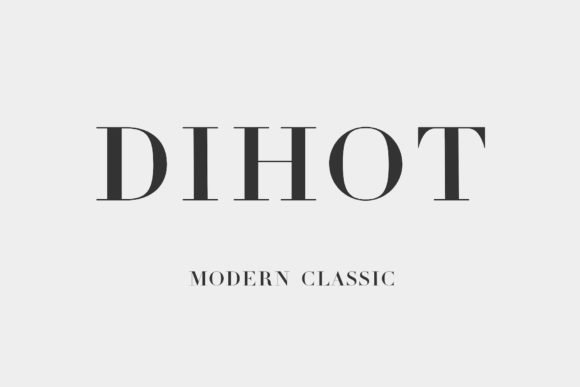
There's a certain weight to history, a gravity in the curves and strokes of letterforms that have stood the test of time. When you see a font inspired by the legendary work of Firmin Didot, you're not just looking at characters; you're looking at a legacy of elegance, precision, and high contrast. This is the world Dihot invites you into. It's a modern serif that channels the epic, glamorous spirit of 19th-century French typography, yet it's built with a clean, geometric sensibility for today's creative landscape. If you've ever wanted to inject a sense of luxury, history, or sophisticated drama into a project, this typeface is a compelling starting point.
More Than Just a Pretty Font: Understanding Dihot's Personality
At its core, Dihot is a high-contrast display font. This means the difference between its thick and thin strokes is pronounced, creating a dynamic and eye-catching visual rhythm. This characteristic is what gives it that iconic, luxurious feel—think of the mastheads of high-fashion magazines or the branding of exclusive boutique hotels. The modern geometric interpretation, however, prevents it from feeling stuffy or overly antique. It has a crispness that works beautifully in contemporary contexts. It’s not a workhorse body text font; it’s a statement piece. Its strength lies in headlines, logos, and large-scale applications where its intricate details can truly shine and command attention.
Where Does a Font Like Dihot Fit Best? Practical Applications
Understanding a font's personality is one thing, but knowing where to deploy it is where the magic happens. For designers, entrepreneurs, and creators, the value of a premium font like Dihot is in its versatility across specific, high-impact projects.
- Branding & Logo Design: This is Dihot's sweet spot. A logo set in Dihot immediately communicates quality, tradition, and sophistication. It's perfect for brands in the luxury goods, beauty, editorial, hospitality, or artisanal product spaces. The font's strong presence helps build instant brand recognition.
- Packaging Design: On a shelf, packaging needs to tell a story at a glance. Dihot can elevate the look of gourmet foods, premium spirits, cosmetics, or boutique stationery, making the product feel more exclusive and worth its price point.
- Invitations & Event Materials: From wedding suites to gala invitations, Dihot sets a formal and elegant tone. Its historical resonance adds a layer of ceremony and importance to any special event.
- Editorial & Magazine Layouts: Use it for pull quotes, chapter titles, or article headlines in both print and digital magazines. It adds a touch of classic editorial design that readers associate with authority and style.
- Posters & Large-Scale Graphics: Because it's designed to look its best in large sizes, Dihot is ideal for posters, signage, and trade show banners where you need typography that is both beautiful and legible from a distance.
- Web & Digital Presence: While not for body copy, it's excellent for website headers, hero section titles, and key call-to-action phrases. It can make a blog's homepage or a product landing page feel more polished and intentional.
Pairing and Practicality: Making Dihot Work in Your Project
A powerful font can't work in isolation. The key to using a creative font like Dihot effectively is thoughtful pairing and context. You need to consider the overall message of your design and how the typography supports it.
The Art of the Font Pairing: Dihot's high contrast and classic flair pair best with simpler, cleaner typefaces. A versatile sans-serif font for body text—like a geometric or grotesque sans—creates a beautiful balance. The sans-serif provides modern clarity and readability, allowing Dihot's personality to lead without overwhelming the viewer. You might also experiment with a simple, neutral serif for longer text blocks, but ensure the contrast in weight and style is clear. Avoid pairing it with another highly decorative or script font, as this will create visual competition and chaos.
Readability is Key: Always test your font choices in context. A headline in Dihot at 48 points on a poster will be stunning. The same font at 12 points in a dense paragraph will likely be difficult to read. Use it where its details can be appreciated: in sizes large enough to be clear. Consider the background color and texture; high contrast between the text and its background is essential for legibility, especially with thin strokes.
Explore the Included Styles: A quality font family often includes more than one weight or style. Check if Dihot comes with variations like a bold, light, or italic. These can be invaluable for creating hierarchy and emphasis within your design system, giving you more tools while maintaining a cohesive look.
Building a Cohesive Visual Language
Choosing a font is a foundational decision in building a brand identity or a design system. A font like Dihot isn't just a tool for setting words; it's a component of your visual communication strategy. When used consistently across your marketing assets—from your social media graphics to your website headers to your print materials—it helps build a professional and recognizable presentation. This consistency strengthens brand recognition and tells your audience that you pay attention to detail. It signals that the experience they're having with your brand, whether online or in hand, is curated and intentional.
Before committing, take the time to download a test version if available. Mock up a few key applications: a business card, a social media post, a website header. See how it feels with your specific color palette and imagery. Does it convey the right feeling? Does it align with the story you want your brand to tell? This hands-on testing is crucial for any design asset, especially a core element like typography.
Finally, always be mindful of licensing. Ensure the font license you acquire covers your intended use, whether it's for personal projects, commercial client work, or merchandise. Respecting licensing not only supports the type designers who create these valuable tools but also protects you and your business legally.
In the end, Dihot offers a bridge between the grandeur of typographic history and the clean demands of modern design. It’s a tool for telling stories that feel both timeless and relevant, perfect for projects that aim to leave a lasting impression of quality and style.