Bring Playful Energy to Your Projects with the Bubble Rainbow Typeface
The Visual Appeal of Playful Typography
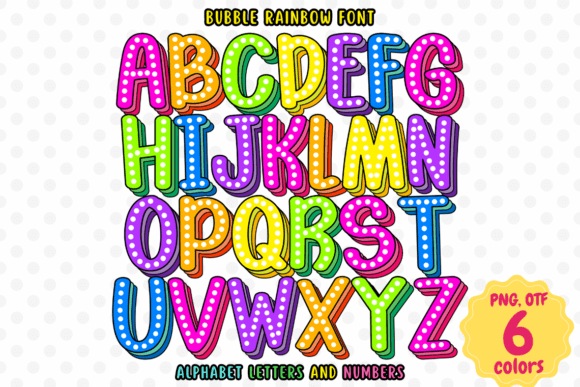
There are moments in design when you need to break away from the conventional. Instead of relying on clean sans-serifs or elegant scripts, you need something that radiates pure, unadulterated joy. That is exactly where "Bubble Rainbow" steps in. This is not just another novelty font; it is a visual celebration. The typeface features rounded, inflated letterforms that mimic the shape of soap bubbles, but with a distinct twist: they are infused with the vibrant, shifting spectrum of rainbow colors.
As a designer or business owner, you know that typography sets the emotional tone before a single word is read. While a serif font might suggest tradition and a sans-serif suggests efficiency, "Bubble Rainbow" screams fun, creativity, and childhood nostalgia. It is an OpenType-SVG color font, meaning the color data is embedded directly into the file. You do not need to manually apply gradients or layer styles to achieve the look; when you type, the rainbow effect appears instantly. This creates a dynamic texture that adds depth and a modern flair to any project, making it a standout choice for anyone looking to inject personality into their work.
Where Creativity Meets Strategy: Practical Applications
While it is tempting to reserve a font like this for purely decorative purposes, "Bubble Rainbow" has significant strategic value across various industries. Its bold presence makes it an excellent choice for display purposes where readability at a glance is paramount.
For branding and logo design, this typeface is ideal for businesses targeting younger audiences or those in the entertainment sector. Think of a children’s party planning service, a boutique candy shop, or a toy store. Using "Bubble Rainbow" in your primary logo instantly communicates your niche without needing a lengthy explanation. It helps in building immediate brand recognition because the visual identity is so distinct.
In the realm of packaging design, shelf appeal is everything. If you are launching a line of flavored sodas, bath bombs, or colorful stationery, this font can act as the hero element of your label. It draws the eye and suggests that the product inside is exciting and high-quality.
Furthermore, social media graphics rely heavily on stopping the scroll. Standard text often gets ignored, but a vibrant, bubble-letter header can capture attention instantly. Use it for Instagram story headers, sale announcements, or YouTube thumbnails to drive higher engagement rates. It also works beautifully for greeting cards and invitations, turning a simple "Happy Birthday" into a festive headline that demands to be celebrated.
Integrating "Bubble Rainbow" into Your Design Workflow
Adopting a new creative font requires a bit of planning to ensure it enhances rather than clashes with your existing design assets. Because "Bubble Rainbow" is a display font with high visual complexity, it functions best as a headline or accent typeface rather than for long-form body copy.
Here are a few practical tips for implementation:
- Font Pairing is Key: To maintain a professional presentation, pair "Bubble Rainbow" with a clean, neutral typeface. A simple sans serif font or a standard serif font works best for the body text. This contrast allows the playful header to shine without overwhelming the reader, ensuring your content remains legible and balanced.
- Context Matters: Consider the medium. This font excels in editorial design for magazine covers, merchandise like t-shirts and mugs, and digital products such as printable wall art or planner stickers. It adds a burst of energy that makes these items feel premium and custom-designed.
- Color Management: Since the font contains its own color data (the rainbow gradient), be mindful of the background you place it on. High-contrast backgrounds (white, black, or solid pastel colors) usually allow the colors to pop most effectively.
By treating this typeface as a design asset rather than just text, you can create marketing assets that feel cohesive. Whether it is a poster for a local event or a header for a blog post about creative hobbies, the font bridges the gap between graphic art and written communication.
Technical Nuances and Compatibility
Before you dive into a project, it is crucial to understand the technical environment of the "Bubble Rainbow" font. As noted, this is an OpenType-SVG file. This format allows for high-fidelity graphics within the font file itself, which is how the rainbow gradient is achieved. However, this technology has specific compatibility requirements.
This premium font is fully compatible with industry-standard software like Photoshop and Illustrator. These applications support the rendering of color fonts, allowing you to see and manipulate the text as intended. However, there are limitations to be aware of:
- Cricut and Inkscape: The OTF and TTF files included are not compatible with these platforms. If you are a crafter using Cricut Design Space, you will not be able to utilize this specific font file due to the way these machines process vector data.
- Silhouette Studio: Despite the versatility of Silhouette machines, this font is not compatible with Silhouette Studio.
If you are working within a professional design suite, you are good to go. If you are unsure about how to install or use color fonts in your specific software version, it is always worth reviewing a typography guide or the documentation provided with your purchase to ensure a smooth setup process.
Making Your Projects Stand Out
In a crowded marketplace, visual consistency and brand recognition are your strongest tools. Using a distinctive typeface like "Bubble Rainbow" helps you carve out a unique identity. It moves your designs away from the generic "corporate" look and invites your audience into a more playful, approachable space.
Whether you are a small business owner designing your own flyers, a content creator looking for a signature look for your thumbnails, or a hobbyist creating scrapbooks, this font offers a specific solution: it makes things look fun. It is a reminder that design does not always have to be serious; sometimes, it just needs to make people smile.